How Does Lidar Ceilometer for Meteorology Enhance Weather Observation?
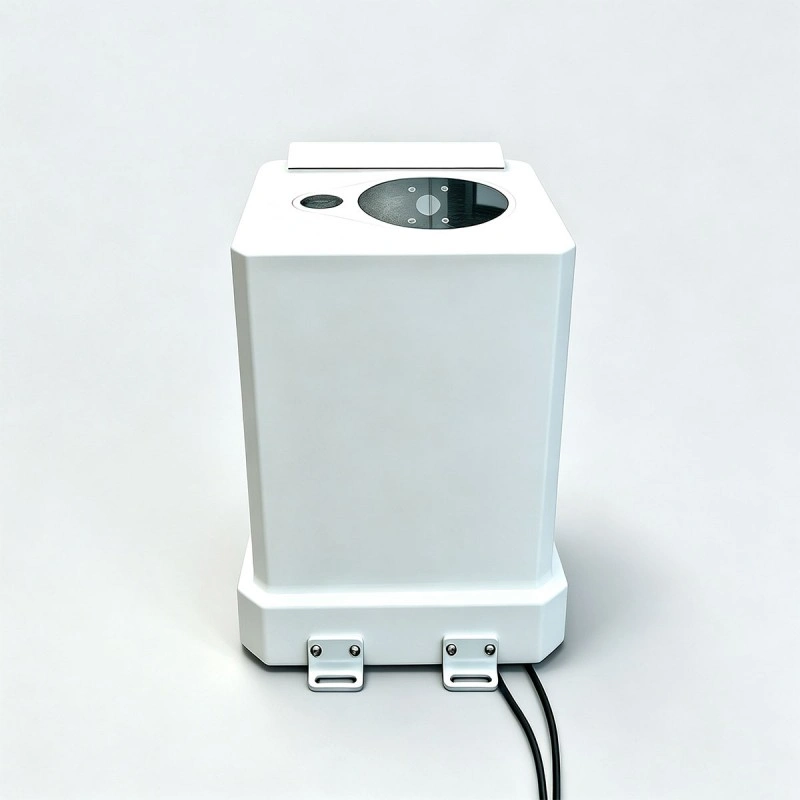
Lidar Ceilometer for Meteorology has become an important technology in modern atmospheric observation systems. By using advanced laser detection principles, this type of equipment provides valuable information about cloud conditions, atmospheric structures, and environmental changes. It helps meteorological organizations, aviation systems, and research institutions improve observation efficiency and obtain more reliable atmospheric data.
JIOPTICS focuses on the development of professional laser measurement technologies with advantages including high reliability, compact structure, strong performance, and efficient power management. Its advanced optical solutions support the integration of different sensing systems and provide flexible options for professional applications that require accurate distance measurement and environmental detection.
The Growing Importance of Laser-Based Atmospheric Observation
Accurate weather information plays an essential role in modern industries and scientific research. Atmospheric conditions can change rapidly, making reliable observation equipment necessary for monitoring cloud movement, visibility conditions, and environmental variations. Advanced laser sensing technologies provide a practical approach to collecting detailed information from the atmosphere.
Improving Weather Monitoring Accuracy
Traditional observation methods often depend on manual analysis or limited detection methods, which may not provide sufficient information in complex environments. Modern optical sensing systems improve monitoring capability by continuously collecting atmospheric data and supporting more comprehensive analysis.
The development of Lidar Ceilometer for Meteorology technology allows observation systems to identify atmospheric features with greater efficiency. These solutions support professional users in analyzing cloud distribution, monitoring weather changes, and improving the overall quality of meteorological services.
Supporting Multiple Professional Applications
Atmospheric observation technology is widely applied in areas where environmental conditions directly influence operational safety and efficiency. Aviation systems require accurate cloud and visibility information to support flight management. Environmental research also depends on reliable atmospheric monitoring to study long-term changes and weather patterns.
Advanced sensing equipment can be integrated with different platforms according to application requirements. Whether used in fixed monitoring stations or integrated systems, laser measurement technology provides valuable support for obtaining accurate environmental information.
| Application Field | Technical Function | Operational Value |
|---|---|---|
| Aviation Monitoring | Atmospheric condition detection | Enhanced weather awareness |
| Environmental Research | Continuous data collection | Improved scientific analysis |
| Remote Sensing Systems | Optical measurement capability | Flexible equipment integration |
How Does Advanced Optical Engineering Improve Detection Systems?
The performance of modern sensing equipment depends on precise optical design, reliable components, and effective system integration. Industries are increasingly looking for solutions that combine accuracy with practical installation requirements. Compact and efficient measurement modules help reduce system complexity while maintaining dependable performance.
Compact Structures for Modern Equipment
Many professional platforms have strict requirements for equipment size, weight, and energy consumption. Compact optical modules allow manufacturers to develop more efficient systems without reducing measurement capability. This design approach is particularly valuable for aerospace equipment, unmanned platforms, and integrated monitoring devices.
Small and efficient sensing components can improve system flexibility and simplify installation processes. Through optimized engineering design, modern laser modules can provide stable operation while adapting to different working environments.
Reliable Performance Under Changing Conditions
Atmospheric observation equipment often operates in environments affected by temperature changes, humidity, and visibility variations. Reliable system performance requires advanced manufacturing processes and careful quality management throughout product development.
Professional laser technologies are designed to maintain consistent measurement results in challenging conditions. High-quality components, precise calibration methods, and advanced optical structures contribute to stronger reliability and longer service life.
Why Is System Integration Important for Future Meteorological Equipment?
The development of intelligent monitoring platforms is changing how industries collect and analyze environmental information. Modern systems are no longer limited to individual measurement functions. Instead, they combine multiple technologies to create more complete solutions for professional applications.
Combining Multiple Sensing Technologies
Integrated sensing systems can combine optical measurement, image analysis, and intelligent processing technologies. This combination allows equipment to collect different types of information and provide a more complete understanding of environmental conditions.
For meteorological applications, the cooperation between laser detection and other sensing technologies creates stronger observation capabilities. These integrated systems can support more efficient monitoring processes and provide valuable information for weather-related decision-making.
Flexible Solutions for Different Industries
Different application fields require different equipment configurations. Aviation platforms may focus on stability and environmental adaptability, while research systems may require advanced data collection capabilities. Flexible customization allows manufacturers to create solutions that match specific project requirements.
OEM and ODM services provide opportunities for technology providers to cooperate with system developers. Through professional engineering support, product design and technical functions can be adjusted according to practical application needs.
Future Trends in Atmospheric Detection Technology
As global industries continue to pay greater attention to environmental monitoring, atmospheric detection technology will continue evolving. Future systems are expected to focus on higher intelligence, better integration, and stronger adaptability for different working scenarios.
Intelligent Data Processing
Advanced software technologies are improving how observation systems process collected information. Intelligent analysis methods can help identify important environmental changes and improve the efficiency of monitoring operations.
Automated observation platforms will continue becoming more common as industries require faster and more reliable information. The combination of hardware innovation and intelligent processing will support the development of next-generation sensing equipment.
More Efficient Integrated Solutions
Future optical systems will continue moving toward improved efficiency and multifunctional designs. Manufacturers are developing solutions that provide strong performance while reducing unnecessary complexity in system deployment.
Lidar Ceilometer for Meteorology represents an important direction in modern atmospheric observation technology. With continuous improvements in optical engineering and system integration, these solutions will provide stronger support for weather monitoring, environmental research, and professional sensing applications.
How Does JIOPTICS Deliver Professional Laser Measurement Solutions?
JIOPTICS specializes in the research, development, and manufacturing of advanced laser measurement modules. The company provides reliable solutions for applications including unmanned aerial systems, aircraft platforms, marine equipment, thermal imaging integration, and meteorological observation systems.
With strong scientific research capabilities and professional engineering experience, JIOPTICS supports customized OEM and ODM projects according to different technical requirements. The company focuses on product quality, advanced technology, and long-term cooperation, providing dependable laser measurement solutions for global partners seeking professional optical system integration.