What Makes Thermal Imaging a Game-Changer Across Industries and How Does Jioptics Lead the Innovation
Article Summary: Thermal imaging is revolutionizing the way industries detect, analyze, and respond to heat signatures across environments. From industrial inspection and medical diagnostics to security and automotive systems, this technology provides non-contact, real-time insight that traditional imaging cannot offer. This comprehensive guide explores how thermal imaging works, its key advantages, applications, comparison with other technologies, and how Jioptics plays a leading role in advancing high-performance thermal imaging solutions.
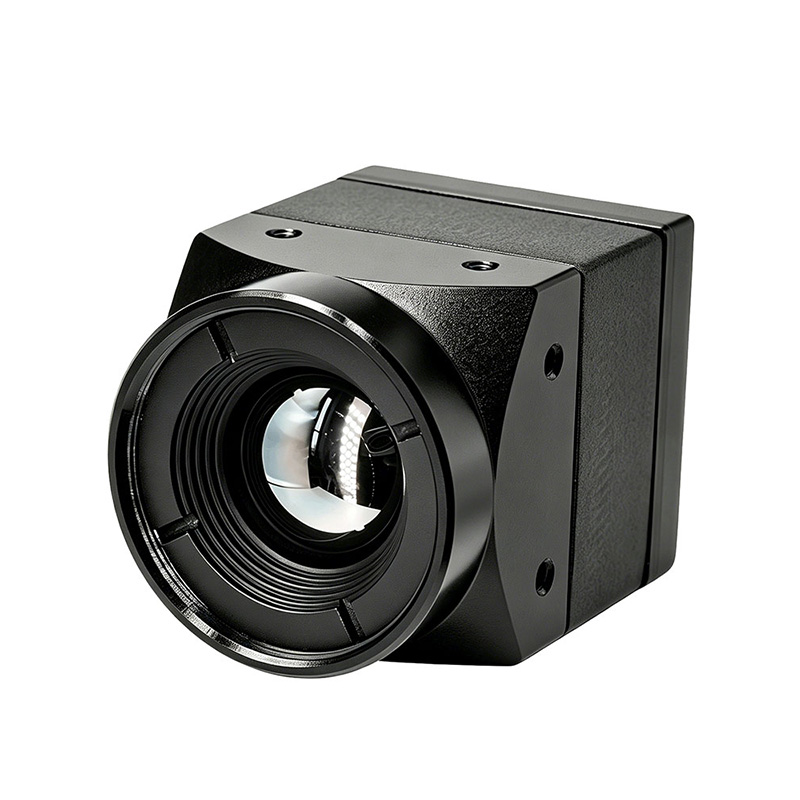
Table of Contents
- What is Thermal Imaging and How Does It Work
- The Science Behind Thermal Imaging
- Key Advantages of Thermal Imaging
- Industrial Applications of Thermal Imaging
- Medical and Healthcare Applications
- Security and Surveillance Uses
- Automotive and Aerospace Applications
- Comparison with Traditional Imaging
- How to Choose a Thermal Imaging System
- Jioptics Role in Thermal Imaging Innovation
- Future Trends of Thermal Imaging
- FAQ
- Conclusion
What is Thermal Imaging and How Does It Work
Thermal imaging is a technology that detects infrared radiation emitted by objects and converts it into a visible image. Unlike standard cameras that rely on visible light, thermal imaging captures heat signatures, allowing users to “see” temperature differences in real time.
Every object with a temperature above absolute zero emits infrared energy. A thermal imaging system detects this energy using specialized sensors and converts it into a thermogram, which is then displayed as a colored image representing heat distribution.
In modern industries, thermal imaging is widely used for predictive maintenance, surveillance, and diagnostics because it works in complete darkness, smoke, and challenging environmental conditions.
The Science Behind Thermal Imaging
The core principle behind thermal imaging is infrared radiation detection. All objects emit infrared energy based on their temperature. The warmer the object, the more radiation it emits.
A thermal imaging device typically includes:
- Infrared detector array
- Optical lens system
- Signal processing unit
- Display interface
Once infrared radiation is captured, it is translated into electrical signals. These signals are processed and mapped into color gradients such as blue (cold) and red (hot), forming a thermal image.
This process allows thermal imaging systems to detect temperature differences as small as 0.01°C in advanced models, making them extremely precise.
Key Advantages of Thermal Imaging
Thermal imaging provides several advantages over traditional visual inspection technologies. These benefits make it indispensable in many industries.
- Non-contact measurement: No physical interaction is required.
- Real-time monitoring: Instant detection of temperature anomalies.
- Works in darkness: No visible light needed.
- Penetrates smoke and fog: Useful in emergency operations.
- Predictive maintenance: Identifies faults before system failure.
These advantages make thermal imaging a powerful tool in industrial safety, healthcare diagnostics, and security applications.
Industrial Applications of Thermal Imaging
In industrial environments, thermal imaging is essential for monitoring equipment health and ensuring operational safety. Companies like Jioptics provide advanced thermal imaging solutions tailored for industrial use cases.
| Industry | Application | Benefit |
|---|---|---|
| Electrical Systems | Detect overheating circuits | Prevent fire hazards |
| Manufacturing | Monitor machine temperature | Reduce downtime |
| Oil & Gas | Pipeline inspection | Leak detection |
| Construction | Building insulation analysis | Energy efficiency |
Thermal imaging allows engineers to detect anomalies without shutting down systems, significantly improving efficiency and reducing maintenance costs.
Medical and Healthcare Applications
Thermal imaging is increasingly used in healthcare for non-invasive diagnostics. It helps detect abnormal temperature patterns associated with inflammation, vascular disorders, and infections.
Common medical applications include:
- Early detection of breast abnormalities
- Fever screening during epidemics
- Circulatory system analysis
- Sports injury monitoring
Because thermal imaging is completely non-invasive, it is especially useful in preventive healthcare and early diagnosis strategies.
Security and Surveillance Uses
Security systems benefit greatly from thermal imaging because it can detect human presence regardless of lighting conditions. This makes it ideal for perimeter security, border control, and critical infrastructure protection.
Key benefits include:
- Detection in total darkness
- Long-range surveillance capability
- Improved accuracy in identifying intruders
- Reduced false alarms
Thermal imaging cameras are often integrated into modern surveillance systems to enhance detection reliability in complex environments.
Automotive and Aerospace Applications
In automotive systems, thermal imaging improves driver safety by enhancing night vision capabilities. It helps detect pedestrians, animals, and obstacles beyond the reach of headlights.
In aerospace applications, thermal imaging is used for:
- Aircraft engine monitoring
- Structural heat stress analysis
- Navigation in low visibility conditions
These applications highlight the importance of thermal imaging in enhancing safety and operational reliability.
Comparison with Traditional Imaging
| Feature | Thermal Imaging | Traditional Imaging |
|---|---|---|
| Light Requirement | Not required | Required |
| Detection Type | Heat signatures | Visible light |
| Environmental Limitations | Works in fog/smoke | Limited visibility |
| Use Cases | Industrial, medical, security | Photography, video |
This comparison shows why thermal imaging is superior for technical and industrial applications where visibility is limited.
How to Choose a Thermal Imaging System
Selecting the right thermal imaging system depends on several technical and operational factors.
- Resolution: Higher resolution provides clearer thermal images.
- Temperature range: Must match application requirements.
- Sensitivity: Ability to detect small temperature differences.
- Frame rate: Important for dynamic monitoring.
- Durability: Essential for industrial environments.
Choosing the right system ensures optimal performance and long-term reliability in demanding conditions.
Jioptics Role in Thermal Imaging Innovation
Jioptics is a technology-driven company specializing in advanced optical and thermal imaging solutions. With continuous innovation, Jioptics develops high-precision thermal imaging systems designed for industrial, security, and scientific applications.
The company focuses on:
- High-resolution infrared imaging technology
- Compact and durable system design
- Enhanced thermal sensitivity performance
- Custom industrial imaging solutions
By integrating cutting-edge sensor technology and optical engineering, Jioptics continues to push the boundaries of what thermal imaging can achieve in real-world applications.
Future Trends of Thermal Imaging
The future of thermal imaging is closely linked with artificial intelligence, machine learning, and IoT integration. These technologies will enhance automation and predictive capabilities.
Emerging trends include:
- AI-powered thermal anomaly detection
- Smart city surveillance integration
- Miniaturized thermal sensors for mobile devices
- Autonomous vehicle integration
As technology evolves, thermal imaging will become even more accessible and intelligent across multiple industries.
FAQ
Q1: What is thermal imaging used for?
Thermal imaging is used for detecting heat patterns in industrial systems, medical diagnostics, surveillance, and automotive safety.
Q2: Can thermal imaging see through walls?
No, thermal imaging cannot see through solid walls, but it can detect heat variations on surfaces.
Q3: Is thermal imaging safe for humans?
Yes, thermal imaging is completely safe as it only detects infrared radiation without emitting harmful energy.
Q4: What industries benefit most from thermal imaging?
Industries such as manufacturing, security, healthcare, energy, and aerospace benefit significantly.
Q5: Why choose Jioptics thermal imaging solutions?
Jioptics offers high-performance, reliable, and innovative thermal imaging systems designed for professional and industrial applications.
Conclusion
Thermal imaging has become an essential technology across multiple sectors due to its ability to provide real-time, non-contact temperature analysis in complex environments. From industrial maintenance to medical diagnostics and advanced security systems, its applications continue to expand rapidly.
With continuous innovation and engineering excellence, Jioptics remains at the forefront of delivering high-quality thermal imaging solutions that meet modern industrial demands.
If you are looking for reliable thermal imaging solutions tailored to your needs, contact us today to explore how Jioptics can support your business growth and technological advancement.